Prerequisites
Before starting this practical session, you’ll need to set up a few essential tools. Don’t worry, we’ll keep this brief!
Required Software
Depending on your set-up, you can use any of the following steps:
If you’re using AppsAnywhere(available on university computers or your own laptop):
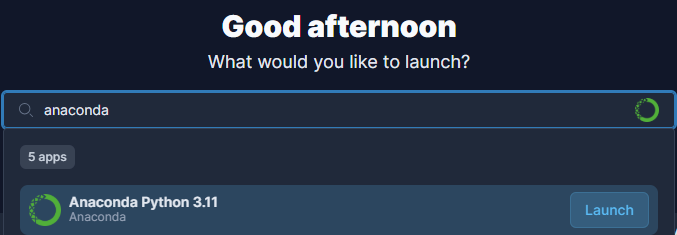
Open AppsAnywhere on your computer
Search for and launch Anaconda (for Python)
Search for and launch VS Code or Positron
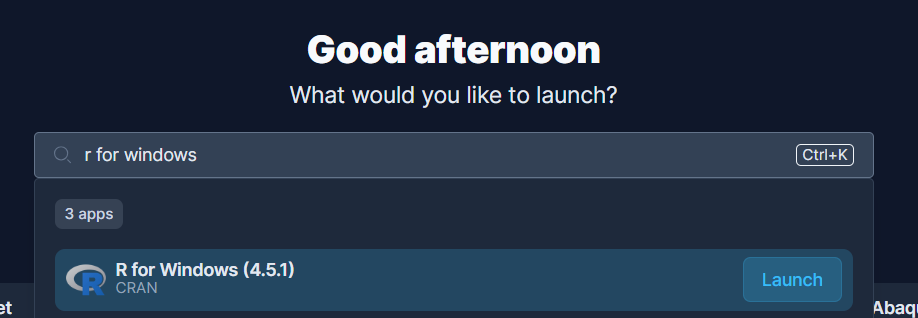
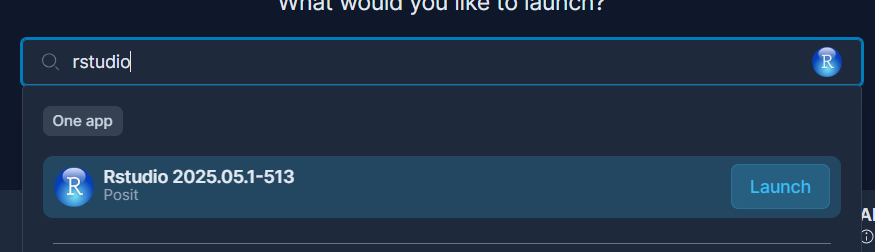
For R (optional), search for and launch R for Windows first, then RStudio
This approach is recommended if you want more control over your installations and if you plan to continue using these tools after the session:
1. Development Environment (IDE)
An IDE (Integrated Development Environment) provides a comprehensive workspace for coding. Popular options include:
For Python:
- VS Code from Microsoft - Versatile IDE with extensions for Python, R, and more
- Positron from Posit - Next-generation data science IDE supporting both Python and R
For R:
- RStudio Desktop (free) from Posit - Specifically designed for R
2. Programming Languages
Python
Python is a general-purpose programming language widely used for data science, machine learning, and AI.
To be able to run Python code in your own laptop. You have two options:
Option A - Global Python: Every project you create/use will use the same Pyhon installation and packages.
- Pros: Simple initial set up. Once installed, you run code directly without managing environments.
- Cons: Slower initial setup and fragile over time. Installing or updating a package for one module can break older projects, and sharing your exact setup with teammates or markers is difficult
- You can install Python in your system using the installers from python.org (version 3.11 or higher recommended) or via Anaconda.
Option B - Project Environments via
pixi(Recommended): Python and all required libraries are self-contained inside each project folder.- Pros: Installs in seconds, prevents dependency conflicts between assignments, and guarantees your code runs identically on anyone else’s machine.
- Cons: Requires learning a couple of basic command-line interactions.
- You will need to install
pixijust once from pixi.prefix.dev just once. We will cover how to set up a project in the first section
R (Optional)
R is another popular language for statistical computing. You can download the R installers from CRAN
For the easiest setup and to ensure everyone is working in a consistent environment, we highly recommend using a cloud-based development environment like GitHub Codespaces. This sets up a fully configured development environment in your browser, with all the necessary software pre-installed.
To open this project in GitHub Codespaces, click the link below:
Benefits:
- Zero Setup: No need to install anything on your local machine.
- Consistent Environment: Everyone uses the exact same tools and configurations.
- Powerful: Runs on cloud servers, providing ample computing resources.
- Accessible: Works from any modern web browser.
- GitHub Account Required: You need a GitHub account to use Codespaces.
- Free Usage Tier: GitHub Codespaces includes 60 hours of free compute time per month for all GitHub accounts (and up to 180 hours via the GitHub Student Developer Pack).
Getting Help
If you encounter installation issues:
- Check the RStudio Support page
- Visit Stack Overflow for troubleshooting
- Ask during the session!
If you run into installation issues before the session, don’t spend too much time troubleshooting. We can help you during the practical!